
On October 16, 2023, Muni Director of Transit Julie Kirschbaum made an excellent presentation before a well-attended Save Muni meeting. During the presentation she answered many detailed questions about Muni’s roughly 70 transit lines and the numerous problems Muni faces every day ranging from maintenance issues to political and constituent demands to repeatedly vandalized bus stops. In spite of financial shortages, she pointed out how Muni was working hard to improve its farebox recovery and on-time performance, as well as increase the mean time between failures and strongly discourage disruptive passenger behavior.
Here are two of the system-wide issues that were raised at the meeting:
Read more here
1.) One individual appeared to feel that to minimize walking distances and adequately serve the elderly and handicapped, transit vehicles should be closely spaced. Another view was that Muni should be fast and efficient enough to attract people out of their cars and that to meet the needs of those who could not easily access the regular system, San Francisco’s para-transit system should be vastly improved. If commuter-dispatched vehicles can get to a pickup point in 5 to 10 minutes, then handicapped individuals should not have to wait more than 30 minutes for their paratransit vehicles.
2.) There was a question of how best to avoid overcrowding the Muni Metro subway with too many trains. In the past Muni has tried to run as many as 43 trains an hour in the subway, which turned out to be an absolute disaster that caused major subway backups almost daily. Five lines plus a shuttle feed into the one subway. To avoid exceeding the ability of the subway to provide consistently reliable service, it is essential that it accommodate no more than 25 entering trains an hour.
Because of the near collapse of San Francisco’s downtown financial and shopping centers, an overcrowded subway does not appear to be a current problem. So now would be a good time to perfect the coupling process, so as to have it ready when it becomes necessary to run longer trains rather than too many trains in the subway.
As indicated in BATWG’s recent letter to SFMTA director Jeff Tumlin, some of BATWG’s observations about Muni are that:
- comprehensiveness is a standout element of Muni service and continues to warrant top priority
- Muni is faced with both reduced ridership and San Francisco’s decreased ability to subsidize the operation, as well as the continuing uncertainty about the availability of State and federal grants. For this reason it is necessary for Muni to get serious about cutting down on costs
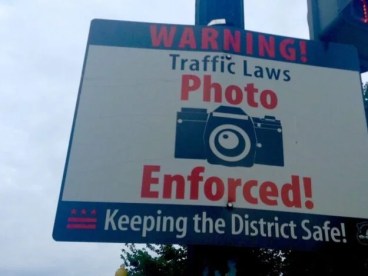
- given the recent increase in traffic fatalities and serious injuries, it appears that a serious crack down on scofflaws, whether they be in cars, on bicycles or walking, might prove to be more productive than costly street changes
- inadequate fare collection is a problem of long standing. People pay for their water, their energy, their garbage collection and their communication services. They should also pay for their transit service.
- needless to add, it remains essential to get busloads of Muni and other transit riders out of traffic congestion.
All in all it was a productive meeting with much good information exchanged.
 Bay Area Transportation Working Group