It’s deja vu all over again…
SB4 initiates yet another inept attack by State Senator Scott Wiener on the California Environmental Quality Act (CEQA) in order to promote “Affordable Housing”, this time using “churches, synagogues, and mosques” (not Buddhist temples?) and non-profit colleges as his current “feel good” set of honey traps.
Opinions and warnings about the disastrous shortage of housing in California abound. Here’s what the U.S. Census Bureau has to say on the subject: As of July 1, 2021 California had a population of 39,237,836 and contained 14,512,281 housing units, occupied by 13,217,586 households with 2.92 persons per household. On the face of it, that does not read as a State housing shortage.
But here’s the rub. There aren’t enough houses located where people want to live. A few decades ago, if you couldn’t afford to live somewhere, you found digs elsewhere. But that’s all changed. Now the clamor seems to be: “if I want to live there, I should be able to live there!”
 Senator Wiener is at the forefront of all this. In previous years, Wiener has tried to legitimize his obsession with cramming in new residential units wherever possible by latching onto such nice-sounding catch phrases as “protecting the environment” and “transit-oriented housing”. It is necessary to remind the Senator that cramming excessive density into a well established and well-functioning community does NOT help the environment of the neighborhood.
Continue reading →

 The fact that the project has massively overrun its budget is no longer a secret. What still seems unknown is exactly how the $400 million debt is to get paid off. No matter what the answer turns out to be, it’s the San Francisco taxpayer who going to get burned.
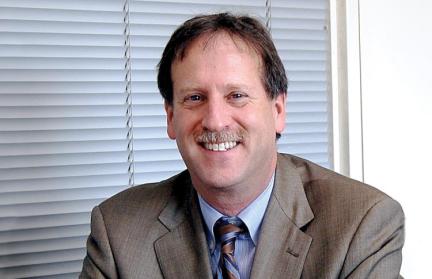 Mr. Rapport passed away on October 6, 2022 after a long illness. In its tribute ABAG noted that during his years at ABAG, Mr. Rapport “spearheaded development of the regional planning framework that culminated in the 2013 adoption of the original Plan Bay Area and oversaw the ABAG units working on energy efficiency, clean water supply, climate adaptation and disaster resilience, risk management, local finance, trail management, open space and economic development.”.
 Bay Area Transportation Working Group