
Solano County Board of Supervisors
675 Texas Street, Suite 6500
Fairfield, CA 94533
Solano County MTC nominee #1: Mayor Harry Price, City of Fairfield
Solano County MTC nominee #2: Mayor Bob Sampayan, City of Vallejo
Solano County MTC nominee #3: Supervisor James Spering, Solano County
Subject: February 5, 2019 Board of Supervisors’ MTC Appointment (Agenda Item No. 15)
Dear Supervisors and MTC nominees:
Bay Area Transportation Working Group (BATWG) is an all-volunteer organization formed in 2012 to keep up with and respond to ongoing Bay Area transportation issues and events. Our primary objective is to find ways of easing regional traffic congestion by improving the reliability and general appeal of the Region’s passenger rail and bus systems.
 The Metropolitan Transportation Commission (MTC) is a powerful body that controls billions of dollars of transportation funds and shapes housing policy in the nine-county Bay Area. All 450,000 Solano County residents have a stake in MTC’s decisions. The Board of Supervisors’ appointment to MTC for the next four-year term (2019-23) is therefore very important.
BATWG therefore requests that the three MTC nominees provide brief written answers to the following questions concerning MTC. BATWG also requests that the answers to these and other relevant questions be discussed in detail at your February 5th meeting:
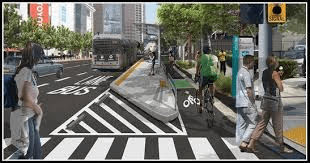 I believe to get bay area residents out of their cars, we need good public transit, a network of safe bicycle/e-scooter trails and more safety for pedestrians.
 Because of the sluggish pace of Bay Area infrastructure development it is estimated that a half a century will slip by before another transbay passenger rail service is up and running. In the meantime it is incumbent on AC Transit to carry a much greater share of the transbay travel load than it currently is. According to AC Transit sources, with the addition of 40 new double decker buses it would be possible to expand its transbay peak period operation from today’s 150 buses an hour to 190 buses an hour. This is still far below the 300 buses an hour that AC’s grossly oversized bus deck in the new Salesforce Transit Center is capable of handling. More buses would help, but the big challenge for AC Transit is to boost its transbay ridership from today’s puny 14,500 riders a day to something closer to the 24,000 riders an hour that the new bus deck is capable of handling.
  Bay Area Transportation Working Group