
A Compendium of Trouble Spots
When it comes to developing major infrastructure projects, the performance of the Large Bay Area Transportation Agencies has been lackluster at best. It’s easy to write this off as inexperience, too many cooks in the broth, unwillingness to admit error, or plain incompetence. And those factors are unfortunately often present. But that’s not the whole story.
Here are a few of the largely ignored trouble spots:
Outreach: It is necessary to give people an opportunity to respond to proposed public actions. That’s what outreach used to mean. But in recent years it’s become much more than just giving interested parties an opportunity to weigh in. Instead, a great deal of effort (sometimes costing hundreds of thousands of dollars in consulting fees) is often put into asking everyone in sight what he or she wants by way of new transit. Does someone who hasn’t ridden a bus for 30 years have a good answer to such a question? Does someone worried about his job or sick child or looking forward to next Thursday’s bocce ball match? Probably not, but if the question is asked, people will try to answer it in some fashion. What is the value of this kind of off-the-top “input”? Answer: minimal.
Instead of beating the bushes to elicit as much abstract comment as possible, a better approach would be to first develop concepts sufficient to give people something to respond to, and then reach out broadly to let those who are interested have an opportunity to speak or write their opinions. This kind of outreach would improve its quality and usefulness and likely cost much less.
Read More Here
Consultants and Contractors: Outside consulting help is often needed and, if carefully selected and properly managed, adds significant value to a project. However, in any event it is essential that a relatively small but highly experienced and dedicated in-house team oversee the process. The planning/design/construction contracting/procurement process can run smoothly or it can be a nightmare. Alert supervision and inspection during procurement and construction, coupled with the expeditious handling of change orders and Requests for Information, are equally essential to the ultimate success of a project.
Environmental Review Process: OUT OF CONTROL: Environmental Impact Reports (State) and Statements (Fed) were set up to ensure that the temporary and permanent effects of large construction projects were available for all to see before it was too late to do anything about the problem. And that’s how it should have worked. But the public agency sponsors of large projects have unfortunately delegated too much authority to the EIR/EIS writing industry. Big mistake. For one thing it’s all too easy to lift tens or hundreds of thousands of pages from a previous project and then quickly adapt them for use in another project. This all-too-common practice is partly why environmental reports have gotten both so excruciatingly long and repetitious. Adding subjects of little environmental relevance and failing to properly organize a report only compounds the problem. A major effort devoted to better organizing EIR’s and EIS’s and eliminating useless information and repetition would both cut costs and improve the usefulness of the documents.
Downplaying Key Project Analyses: Two vitally important engineering analyses, buried as they currently are inside humongous environmental documents, are habitually downplayed.
Properly done, an Alternative Analysis will include and objectively compare several viable alternatives. The alternative analysis should stand alone in a separate report. Burying it inside hundreds or thousands of pages of environmental clearance documents has reduced its visibility and therefore its effectiveness. Often it consists only of someone’s “preferred alternative”, the “no-build” alternative and one or two weak proposals destined to quickly fall of their own weight. In one recent case a major sponsor went so far as to limit its alternatives to a favored alternative, a more expensive favored alternative, and a “no-build”. Left out was a bonafide but unfavored alternative with major potential. By defining it as an “option” rather than an alternative, it was possible for this local sponsor to avoid having to subject the rejected “option” to scrutiny by State and Federal funding authorities.
Equally Important is the Project Cost Estimate: No alternative analysis is valid without the capital and future operating and maintenance costs of each alternative set forth clearly and in detail. A cost estimate buried in a large environmental document is simply not as carefully prepared and analyzed as it would be if presented in a separate report. Sometimes “cost estimates” are so abbreviated that they’re of little or no value. Out of sight, out of mind. Cost estimates are much too important to get buried in huge reports along with many other subjects. Costs should be right out there in detail for all to see.
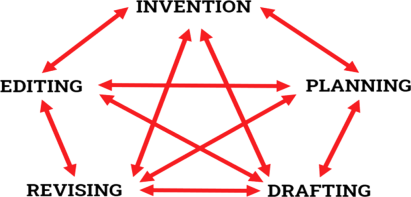 Useless Rhetoric: To a contractor about to begin a major construction job, the final drawings and technical specification are like a recipe. If done well, they give clear and precise instructions regarding every aspect of the work. There was a time when a large project was developed from a brief general plan, soon followed by conceptual drawings, then preliminary engineering drawings and then a set of construction documents including both final drawings and a set of technical specifications. With the advent of the environmental clearance process in 1969 this all changed. Now, years are spent in writing and rewriting excruciatingly long descriptions about process before a single conceptual or other drawing is prepared.
These descriptions, often started before anyone knows anything about the project, are often again repeated in the environmental documents, thereby making it harder to ferret out the key elements of a project in need of attention. Even worse is the loss of the specificity and clarity that properly prepared conceptual and preliminary drawings can bring to large and complicated projects.
Transparency: Everyone sings the praises of transparency. But instead of transparency what is produced these days is often little more than a selling job. In other words, carefully prepared presentations focusing on positive developments and the future benefits of a project while avoiding any reference to problems and other bad news. When agency staff members are genuinely honest with their press leases and reports to policy-making boards, it both boosts the chances of success and helps restore faith in government.
Conclusion: Every affected and otherwise interested party deserves frequent and honest updates of a major project in process. This means clearly written and well-organized documents and unbiased presentations. It means avoiding useless duplication. And it means carefully and objectively prepared cost comparisons and alternative analyses presented in their own separate reports and promptly put on the table for all to see.

