
Enforced bus-only lanes on long distance and trunk lines, including on bridges
Fast direct routes with minimal zigs, zags and detours
Clean, well-maintained, safe and comfortable vehicle interiors
Well maintained and easily identifiable stops
Convenient transfers…timed, especially between neighborhood feeders and trunk lines
Load charts to guide route and service level changes without increasing operating costs
Better coordination between AC and cities like Oakland and Berkeley
Improved signage
Clear and easily available digital maps
Real Time Scheduling and Reliability
Tasks the District can’t handle, farmed out without hesitation
With improvements well underway, an effective marketing program
 The Pandemic has hit. Travel habits have changed. Advances in technology have made it easier to do more with less commuting and other travel. Transit has been dramatically affected by all this. Yet so far there is little evidence that the large Bay Area transit agencies and MTC are adequately heeding the warning signs. Based upon the broadly based surveys of the Bay Area Council, the meticulous economic research of Stanford Professor of Economics Nicholas Bloom, the conclusions of acclaimed transportation consultant Alan Pisarski, and other findings, the handwriting is on the wall. We now have a better idea of how the changes brought on by the pandemic are affecting and will continue to affect transportation, housing and societal norms.
 Excerpts from BATWG’s 11.4.21 letter to Mr. Scott Guidi of Caltrans responding to the Notice of Preparation (NOP) for a Draft Environmental Impact Report (DEIR) for the I-205 Caltrans/SJCOG project.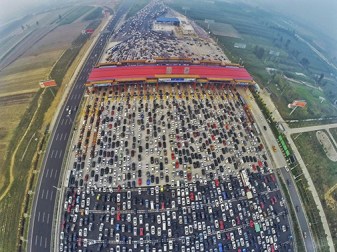
 Bay Area Transportation Working Group