
During its August 26, 2022 presentation to the BART Board, VTA spokesperson Takus Salpeas put the width of the center-loading platform in the downtown San Jose station at 22 feet, about the same width as BART’s existing platforms in places like Castro Valley and Orinda. Under SF’s Market Street the platforms are 35 feet wide.
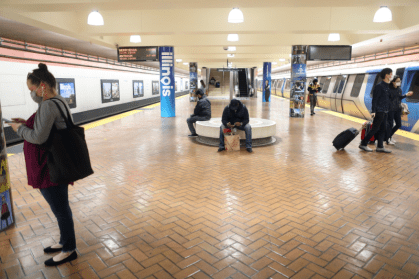
If a 22-foot platform requires a just-announced 53-foot diameter tunnel (up from the recently established 48-foot diameter tunnel), then a 35-foot platform would presumably require a 65-foot tunnel. Recently the Federal Transit Administration (FTA) put the cost of BART Phase II assuming a 48-foot tunnel at $9.15 billion. So the question becomes, how much would a 53-foot tunnel increase the cost of the project? Or a 65-foot tunnel?
 The Pandemic has hit. Travel habits have changed. Advances in technology have made it easier to do more with less commuting and other travel. Transit has been dramatically affected by all this. Yet so far there is little evidence that the large Bay Area transit agencies and MTC are adequately heeding the warning signs. Based upon the broadly based surveys of the Bay Area Council, the meticulous economic research of Stanford Professor of Economics Nicholas Bloom, the conclusions of acclaimed transportation consultant Alan Pisarski, and other findings, the handwriting is on the wall. We now have a better idea of how the changes brought on by the pandemic are affecting and will continue to affect transportation, housing and societal norms.
 BATWG has followed AB455 ever since the bill came to our attention last January and on June 21, 2022 sent Assemblywoman Buffy Wicks and Senator Scott Wiener a letter on the subject. From the outset we have been supportive of its general objective but felt and still feel that the entire East Bay bus service needs work, not just the Bridge. Here are highlights:
 Bay Area Transportation Working Group