
Getting Caltrain extended to the new Sales Force Transit Center has long been recognized as one of the most important projects in the Region. In fact it was approved overwhelmingly by 69.3% of San Francisco’s voters way back in 1999. Since then, despite being held up for six years by the Lee Administration, City Planning Department and SFCTA, much as been accomplished. The project is now environmentally cleared ready to head into engineering design.
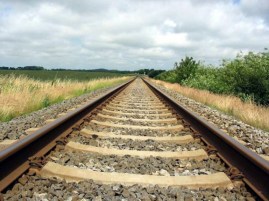
At MTC’s July 22nd meeting the DTX project was threatened by a weak but aggressively promoted effort to build what could best be described as the “mostly single track, Toonerville Trolley to Tracy” line.
But things are looking up!
In response to this threat San Francisco and the other West Bay Counties came out in force in support of advancing DTX to Period 1 (in line for early funding). Weighing in on behalf of DTX were Speaker of the House of Representatives Nancy Pelosi, SF Mayor London Breed, State Senator Scott Wiener, Assemblyman David Chiu, Supervisor Aaron Peskin and other members of the SF Board of Supervisors, the SF County Transportation Authority, the Transbay Joint Powers Board, SaveMuni, SF Transit Riders (SFTR), SPUR, Seemless Transit and many other San Francisco-based groups and individuals.
Speaker Pelosi Makes the Case!
 The ever-active State Senator Scott Wiener has now, Phoenix-like, re-assembled the tenants of his defeated bill, as embodied in at least nine separate replacement measures, each taking its own bite of the apple. These replacements are not well coordinated. They feature overlapping and sometimes contradictory standards and varying ways of handling such critically important terms as “CEQA Exempt,” “transit-oriented,” “percent affordable housing,” “density bonuses,” and “Opportunity Area.”
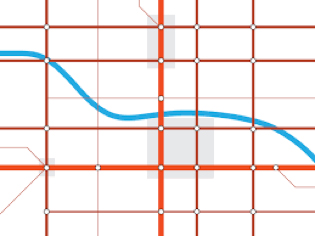 Bus Changes: Unlike the transit systems of many American cities that barely survive (AC Transit for instance), Muni has always been popular and successful. In the 1970’s and 1980’s its success was generally attributed to its comprehensiveness. Thanks to Muni’s well established grid system, it was possible. In those days to travel from anywhere to anywhere else in the city by transit, over a reasonably direct path, using lines with good service levels to keep transfer time down, and not having to transfer more than once. Back then, if you didn’t have a car it was still easy to get around. But now comprehensiveness seems to have fallen out of favor.
 For the last 8 years BATWG volunteers have worked to improve Bay Area transportation. In the process we’ve come to realize that in the Nine County Greater Bay Area, many of the region’s jurisdictions and large public agencies are failing to deliver effective transportation solutions and that without significant governmental change there is little chance of their doing so in the future.
 In 2014 the voters of Alameda County approved Measure BB funds to improve the Tri-Valley’s access to BART. Now, the Alameda County Transportation Authority (ACTC) is being asked to divert $400,000,000 of these Measure BB funds to building a mostly single-track Valley Link rail line to San Joaquin County. BATWG, as dedicated to improving Bay Area mobility as it is, opposes this action for the following reasons:
 Bay Area Transportation Working Group